 A K
A K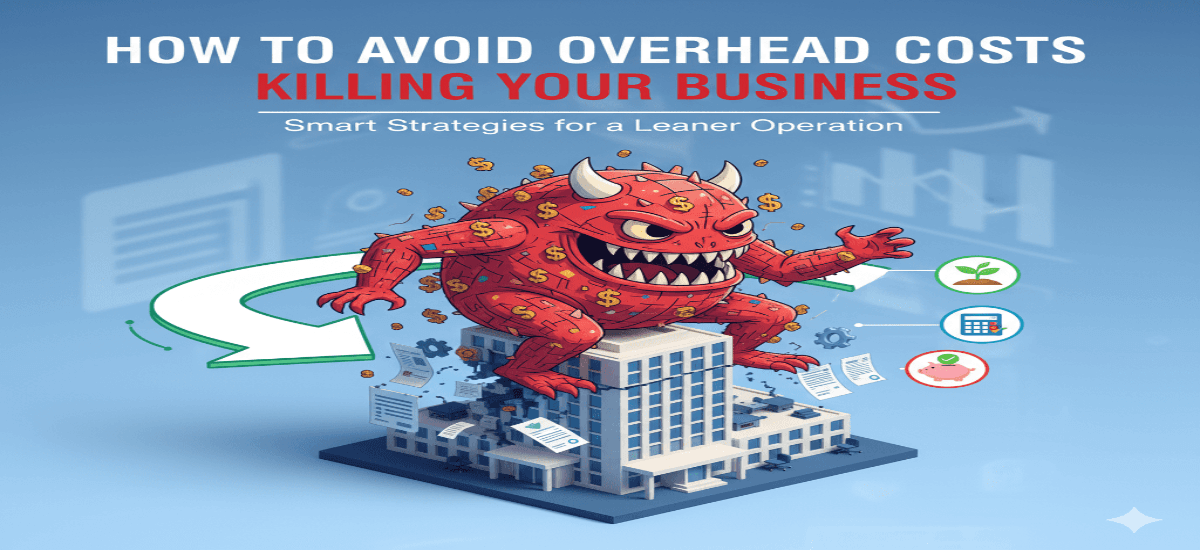
How to Avoid Overhead Costs Killing Your Business?
How to Avoid Overhead Costs Killing Your Business?
Businesses are under increasing strain in the difficult economic environment of today due to factors including fluctuating customer demands, erratic supply chain problems, and growing prices. While revenue frequently receives the most attention, overhead expenditures are a hidden killer of businesses.
Overhead costs can stealthily reduce your profitability, making it hard to grow or even stay in business. If not effectively handled, these ongoing expenses—which range from rent and electricity to administrative wages and tech subscriptions—can become out of hand.
This essay discusses what overhead costs are, how they affect companies, and—above all—tried-and-true methods for cutting overhead without sacrificing growth.
HSBC Cashback Credit Card 2025 – Benefits, Rewards & How to Apply?

What Are Overhead Costs?
Overhead costs are the ongoing expenses that are not directly tied to producing goods or delivering services but are essential for operating your business. Unlike variable costs (materials, direct labor), overhead is often fixed or semi-variable, meaning you must pay them regardless of sales volume.
Common Examples of Overhead Costs:
- Office rent and utilities
- Insurance premiums
- Licensing and compliance fees
- Administrative salaries
- Technology and software subscriptions
- Marketing and advertising costs
- Professional services (legal, accounting, consulting)
While these expenses may seem necessary, failing to optimize them can reduce profit margins and even push a business into debt.
Why Overhead Costs Can Kill a Business
A profitable company on paper can still collapse due to excessive overhead. Here’s why:
- Eats into Cash Flow – Fixed monthly costs demand payment whether sales are up or down.
- Restricts Growth – High expenses limit reinvestment in innovation, hiring, or expansion.
- Reduces Flexibility – Companies with bloated overhead can’t quickly adapt to market changes.
- Increases Risk During Downturns – When revenue dips, overhead remains constant, creating financial strain.
For small businesses, where every dollar counts, overhead can be the difference between survival and closure.
Signs Your Overhead Is Out of Control
- Profit margins shrinking despite stable revenue
- High recurring costs that don’t directly generate income
- Difficulty paying bills or meeting payroll during slow months
- Spending more on administration than customer-facing activities
- Heavy reliance on credit or loans to cover operating costs
If any of these sound familiar, it’s time to reassess your overhead strategy.
Smart Strategies to Reduce Overhead Costs
Cutting overhead doesn’t mean slashing essentials—it means being strategic and efficient. Here are practical steps to regain control:
Rethink Your Office Space
Office rent is often one of the largest fixed costs. With remote work becoming more accepted, businesses can save dramatically.
- Adopt hybrid or remote work models
- Downsize office space or move to a co-working hub
- Negotiate lease terms with landlords
A 2023 survey showed businesses that downsized office space saved an average of 20-30% on overhead annually.
Audit Technology and Subscriptions
- Businesses often pay for multiple overlapping tools.
- Consolidate software (one platform instead of many)
- Cancel unused or redundant subscriptions
- Use open-source or cost-effective alternatives
Pro Tip: Conduct a quarterly subscription audit to eliminate hidden drains on cash flow.
Outsource Non-Core Tasks
Instead of maintaining full-time staff for every role, outsource where possible:
- Accounting and payroll services
- IT support
- Marketing and design projects
This reduces salary, benefits, and training costs while still maintaining quality.
Adopt Automation
Manual procedures are expensive and time-consuming. Automation helps reduce overhead by streamlining operations.
- Automated invoicing and billing systems
- Customer relationship management (CRM) tools
- Inventory management software
These tools reduce the need for large administrative teams and improve efficiency.
Negotiate with Vendors and Suppliers
Don’t accept the first price. Negotiation is a powerful tool.
- Ask for bulk discounts
- Build long-term relationships for loyalty benefits
- Explore alternative suppliers for competitive rates
Regularly reviewing contracts ensures you’re not overpaying.
Save and Go Green
One of the hidden overhead giants is energy expenses. Making eco-friendly adjustments improves your brand’s image while saving money.
- Make the switch to energy-efficient appliances and lighting.
- Reduce workplace energy consumption by implementing remote work.
- Invest in motion-activated lighting and smart thermostats.
Companies that use sustainable practices report yearly utility cost reductions of 10–25%.
Consider Marketing Expenditure Again
Although marketing is crucial, unnecessary expenditures on advertisements with low return on investment damage overhead.
- Put digital marketing ahead of traditional marketing.
- Pay attention to social media, SEO, and content marketing (low-cost, high-return).
- Monitor campaigns and eliminate those that aren’t working.
Improve Financial Management
Strong bookkeeping and forecasting prevent overhead creep.
- Review monthly expense reports
- Set budgets for each department
- Use financial dashboards for real-time tracking
Businesses that monitor expenses closely are 60% more likely to stay profitable, according to recent industry reports.
Reevaluate Staffing Needs
Labor is one of the biggest overhead categories.
- Cross-train employees to cover multiple roles
- Consider part-time or freelance staff
- Use performance metrics to align pay with results
This doesn’t mean underpaying workers—it means creating efficiency in your workforce.
Establish a Culture of Lean
Overhead control is a company culture, not a one-time endeavor.
- Encourage employees to suggest cost-saving ideas
- Recognize departments that save resources
- Implement a “lean operations” mindset
When staff buy into the idea of efficiency, overhead naturally reduces over time.
The Long-Term Advantages of Overhead Management
The benefits of companies controlling overhead extend beyond financial savings:
- Higher Profit Margins – Every dollar saved boosts net income.
- Greater Flexibility – Businesses can adapt to market shifts faster.
- Stronger Cash Flow – Less stress during low-revenue periods.
- Competitive Advantage – Lean companies can offer better prices and value to customers.
- Sustainable Growth – Resources can be reinvested in innovation and expansion.
Conclusion: Survival Depends on Smart Overhead Management
Overhead costs are like weeds—they grow quietly until they choke your business. Whether you run a small startup or a large enterprise, managing overhead is non-negotiable for survival and growth.
By auditing expenses, embracing technology, outsourcing strategically, and fostering a lean culture, businesses can stay profitable even in uncertain times.
How Loan Defaults Impact Banks: Risks, Consequences, and Financial Stability
How Loan Defaults Impact Banks: Risks, Consequences, and Financial Stability