 A K
A K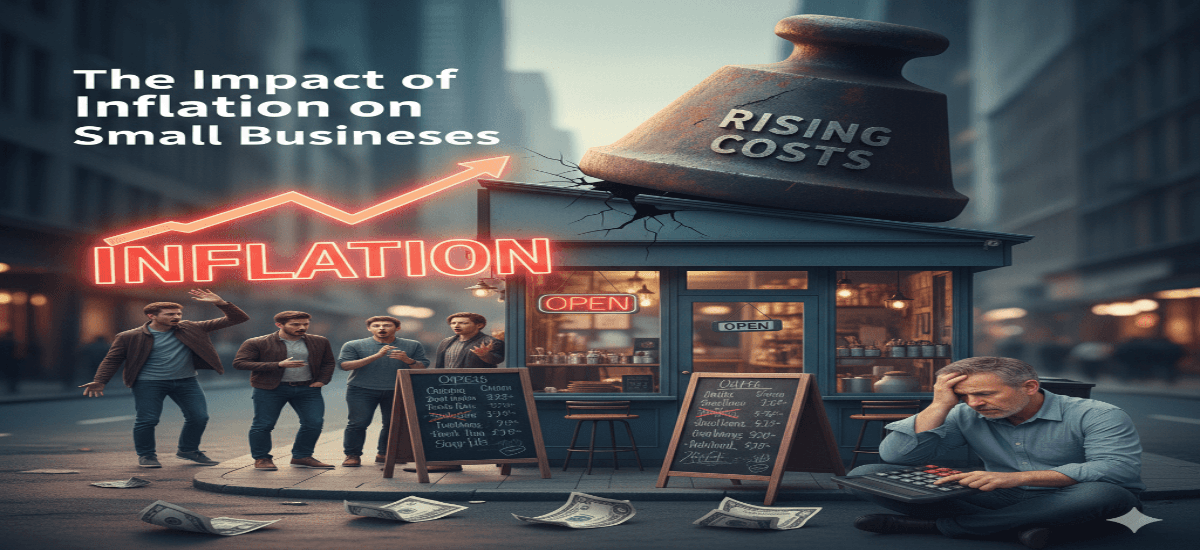
The Impact of Inflation on Small Businesses:
The Impact of Inflation on Small Businesses:
Inflation has become one of the most pressing economic issues in the United States, reshaping the financial landscape for households, corporations, and especially small businesses. While large corporations often have the flexibility, resources, and bargaining power to adjust their operations, small businesses are far more vulnerable to rising prices, supply chain disruptions, and shrinking consumer spending power.
As inflation remains elevated, small business owners across the nation are forced to confront difficult decisions about pricing, staffing, inventory, and long-term sustainability. Understanding how inflation impacts small businesses is not only essential for entrepreneurs but also critical for policymakers, economists, and consumers who depend on the small business ecosystem to drive local economies.
HSBC Cashback Credit Card 2025 – Benefits, Rewards & How to Apply?

Recognizing the Impact of Inflation on Small Businesses
A general increase in the cost of goods and services over time that lowers purchasing power is referred to as inflation. Inflation is more than just a theoretical economic concept for small firms; it causes immediate practical difficulties.
Among the main ways that inflation affects small enterprises are:
- Increasing Input Costs: The cost of inventory, utilities, and raw materials rises.
- Increased Labor Costs: In order to cover living expenses, workers seek higher pay.
- Declining Profit Margins: Companies frequently find it difficult to pass on rising expenses to clients.
- Decreased Consumer Spending: When daily necessities become more expensive, households reduce their discretionary spending.
Small firms are disproportionately exposed because they typically lack sophisticated supply chain networks, bulk purchasing power, and substantial cash reserves, in contrast to major enterprises.
The Impact of Inflation on the Operations of Small Businesses
Costs of the Supply Chain
Fuel prices, transportation expenses, and production costs have all increased due to inflation, which has a direct effect on small enterprises. For instance, a nearby bakery would see a 20–30% increase in the price of wheat, sugar, and packaging. lesser players are left with lesser margins while larger competitors can absorb or negotiate better bargains.
Pressures from the Labor Market
Another challenge has been the competitive labor market. In order to cover the growing costs of food, rent, and transportation, workers are looking for better earnings. Already struggling with running costs, small businesses must decide whether to increase wages and risk financial instability or risk losing employees to larger companies that provide competitive rates.
Utility and Rent Charges
A lot of small firms need leased space to operate. In times of inflation, landlords frequently increase rents to cover the cost of real estate, and utilities like gas and electricity also go up. For small businesses, this might result in a considerable increase in monthly costs.
Financing and Borrowing
The Federal Reserve frequently raises interest rates in response to inflation, which raises the cost of borrowing. The greater expenses of debt servicing for small firms that depend on credit lines or loans for cash flow make it harder for them to grow or survive.
Effect on Sales and Consumer Behavior
Not only does inflation impact the supply side, but it also alters consumer spending patterns.
- Decreased Discretionary Spending: Families spend less on dining out, retail shopping, and personal services in favor of groceries, gas, and rent.
- Price Sensitivity: Small businesses find it more difficult to raise prices without losing customers as consumers grow more frugal and search for deals.
- Shift in Demand: Inflation reshapes consumption patterns, boosting demand for cheaper alternatives or essential goods while reducing demand for luxury services.
For example, local coffee shops report fewer daily customers as people brew coffee at home, while small clothing retailers see slower sales as consumers delay fashion purchases.
Inflation in All Sectors
Not all small businesses are affected by inflation in the same way. The impact varies by industry:
- Food & Beverage: Restaurants face skyrocketing ingredient costs, forcing higher menu prices that may alienate customers.
- Retail: Rising wholesale prices and supply chain delays cut into profits.
- Construction: Lumber, cement, and labor costs surge, making projects more expensive and slowing demand.
- Healthcare & Services: Providers face higher labor and equipment costs but may have some flexibility to adjust pricing.
- Technology Startups: Rising wages for skilled workers and tighter funding conditions make growth difficult.
Each industry faces unique challenges, but the common thread is mounting pressure on profit margins.
Strategies for Small Businesses to Survive During Inflation
Small enterprises are using innovative tactics to withstand inflationary storms in spite of the difficulties.
Modifying Pricing Structures
Even though it’s dangerous, several companies are carefully raising their pricing. To boost perceived value, they raise pricing on top-selling items or bundle products rather than raising prices everywhere.
Increasing Productivity
Small companies are simplifying their operations by lowering waste, implementing automation tools, renegotiating supplier agreements, and eliminating wasteful spending.
Supply Chain Diversification
In order to get lower prices and steer clear of the instability of international shipping, entrepreneurs are looking at new suppliers, local sourcing, and bulk purchasing cooperatives.
Improving Connections with Customers
Even if costs increase, businesses are concentrating on community involvement, customized service, and loyalty programs to keep clients.
Accessing Financial Support
Some small businesses turn to government relief programs, local grants, or small business loans to stabilize operations during inflationary periods.
The Effect of Government Regulations and Inflation on Small Enterprises
In order to control inflation through monetary policy, the federal government and Federal Reserve are essential. Although higher interest rates are meant to restrain inflation, they may inadvertently make borrowing more expensive for small firms.
A buffer is provided by certain relief initiatives, including tax breaks, Small Business Administration (SBA) loans, and regional economic development initiatives. However, a lot of business owners believe that more focused assistance is required, particularly for rural and minority-owned companies that frequently suffer the most.
The Effects on Small Business Owners’ Mental Health
Inflation puts entrepreneurs under psychological stress in addition to financial difficulties. Constantly juggling rising costs, anxious employees, and uncertain sales takes a toll on mental health.
A recent small business survey revealed that many owners feel overwhelmed, with some considering closing permanently. The uncertainty of inflation makes it difficult to plan for the future, discouraging investment and innovation.
Prospects for the Future: Will Inflation Affect Small Businesses?
The long-term impact of inflation on small businesses depends on several factors:
- Duration of Inflation: Temporary inflation may cause short-term stress, but prolonged inflation can permanently reshape industries.
- Consumer Confidence: If wages catch up to inflation, spending may stabilize.
- Policy Support: Continued government and state-level support will be critical.
- Adaptability: Businesses that innovate, diversify, and adapt have a higher chance of survival.
Many economists believe small businesses that successfully embrace digital tools, e-commerce, and local supply chains will be better positioned to withstand future inflationary pressures.
Case Studies: Small Businesses on the Frontlines
Case Study 1: A Local Restaurant in New York
A family-owned restaurant faced rising costs for poultry, dairy, and cooking oil. Instead of simply raising menu prices, they redesigned portion sizes, offered value meals, and promoted loyalty discounts. Despite challenges, customer retention improved due to transparency and trust.
Case Study 2: An Independent Retailer in Texas
A boutique clothing store experienced a 25% drop in sales as inflation discouraged discretionary spending. The owner adapted by launching an online store, offering affordable fashion lines, and using social media to boost sales.
Case Study 3: A Small Manufacturer in Ohio
A nearby furniture business had to deal with rising lumber costs and a manpower scarcity. They engaged in lean production techniques, collaborated with local suppliers, and switched to wood that was acquired locally. This tactic not only cut expenses but also won over environmentally sensitive clients.
Important Lessons for Owners of Small Businesses
- Be Open and Honest with Customers: Trust is built via open and honest communication on pricing hikes.
- Leverage Technology: E-commerce, digital marketing, and automation can reduce expenses and provide new sources of income.
- Emphasis on Community: When companies actively interact with their communities, local support stays strong.
- Prepare for Financial Flexibility: It’s critical to establish emergency savings and look into adaptable financing choices.
In Conclusion: The Impact of Inflation on Small Businesses
The U.S. economy is changing due to inflation, and small firms are at the heart of this change. Even though entrepreneurs face several obstacles like growing expenses, declining consumer spending, and borrowing limitations, their ability to bounce back and innovate is still what keeps them afloat.
Small firms can weather this inflationary moment better if they adjust, forge closer bonds with their clients, and adopt new tactics. Their existence is essential for local communities as well as the larger national recovery since they are the foundation of the American economy.
The Dark Side of Student Loan Forgiveness: Hidden Costs, Risks, and Consequences
The Dark Side of Student Loan Forgiveness: Hidden Costs, Risks, and Consequences